Proofreading and copy editing are essential stages of the writing process. Both roles require immense attention to detail and excellent language knowledge.
In publishing, a few distinctions are routinely misunderstood and as commercially consequential as the differences between proofreading and copy editing.
Mistakenly, they can be grouped together as a final “once-over” before a text goes to print, when, in reality, they perform fundamentally different functions. Many writers confuse proofreading with copy editing; these two activities occur at different stages of the manuscript preparation process and serve distinct purposes.
While they share some core skills, they are two very distinct jobs within the book industry, commanding different requirements when it comes to the revision process of a book. They are also crucial for commercial success, credibility and quality control for both the publisher and author alike and can make or break a reputation.
Editing focuses more on readability and flow. This process is like having your very own nuanced quality controller assess your text, tone of voice and structure to make it the best it can be. But that’s not all: copy editors also “crosscheck references, citations, facts and dates […]. All the pieces of information provided […] are verified.”
Proofreading is often the final stage of a book where we focus on minor surface errors such as spelling, punctuation, layout and grammar. Not to be confused or dismissed as a simple spellcheck tool, proofreading requires the kind of restraint only a skilled human can deliver to a piece of text to ensure it does not compromise it or alter it beyond recognition.
Let’s dive into what proofreading and copy editing are, when and why they’re needed and how they can help your book succeed.
Reading time: 9 minutes
Copy Editing
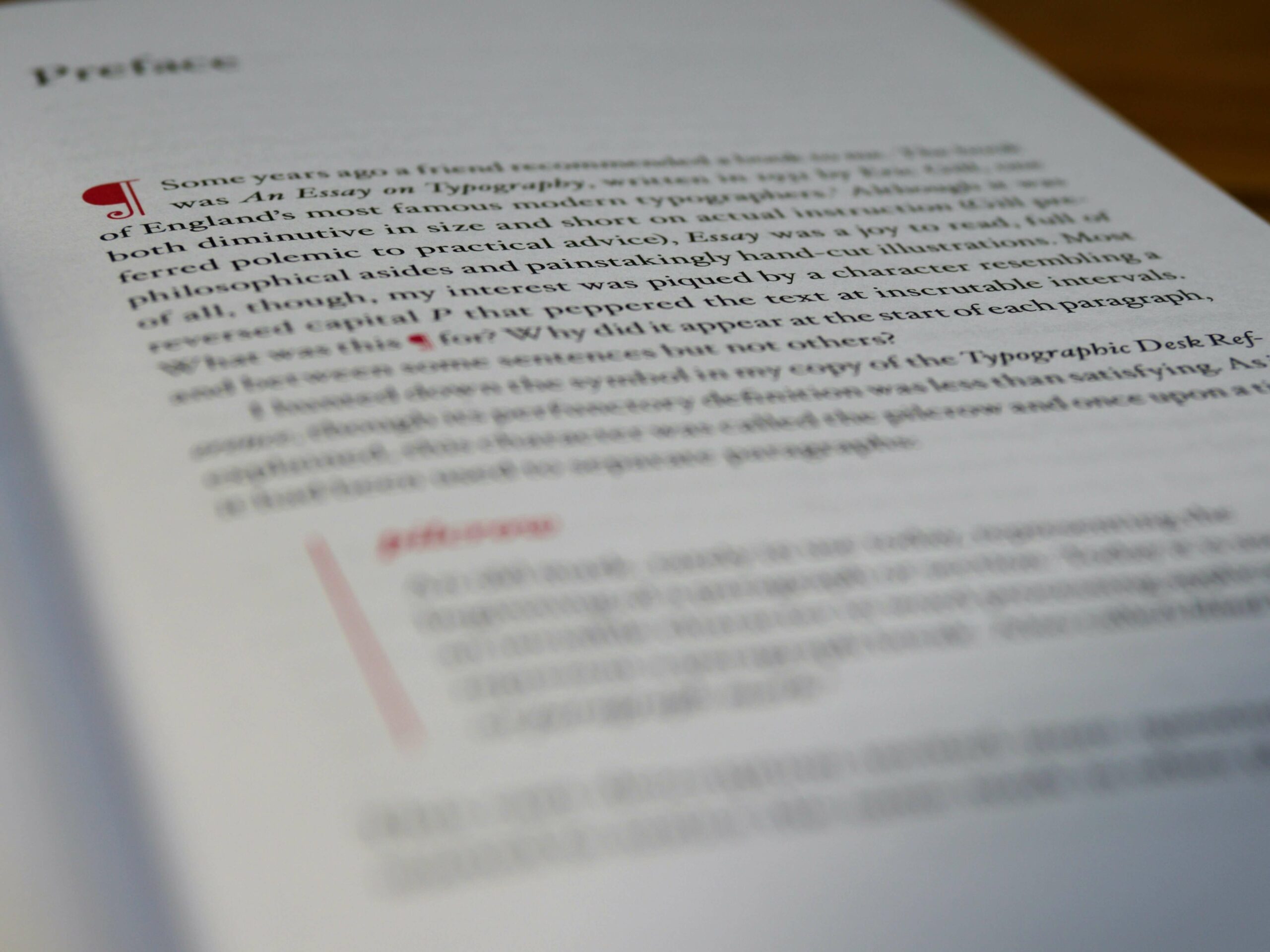
Copy editing is an art; it requires an inherent judgement and sensitivity to the story on the page. Good copy editors will elevate a story to its highest potential by tightening up long sentences, fact-checking statements and ensuring consistency and continuity prevail throughout the manuscript. They never impose their own style of writing and respect the author’s tone of voice and autonomy to tell the story.
It is usually the first phase of the revision process in the book industry and allows an opportunity to subtly rework any clumsy syntax or prose. Think of it as optimising your text to remove structural weaknesses within the story, eliminating any ambiguity for the reader to ensure a coherent and confident read at the end of the editing process, and hopefully a bestseller for the author.
Copy editors are on hand to polished paragraphs with a sharp and sceptical eye and to ensure there are no holes in the story or distractions for the reader in the flow of the text.
They are experienced editors who understand the importance of restraint, not perfection, to honour and respect the author’s work. Therefore, a strong command of the English language is simply not enough to execute a professional edit, as it is a very nuanced skill that requires an independent and objective eye that only comes with experience of doing this crucially important job within the industry.
Through the editing process, your story and ideas become stronger and clearer. From a creative writing perspective, it can strengthen your own voice as a writer and in a business or academic setting, it provides clarity, accuracy and a more professional tone, enhancing the credibility and overall quality of your work.
When do you need copy editing?
In a crowded and competitive marketplace, it is a standalone skill and service that authors cannot afford to skip. If you are working with a publisher, they may offer this service in-house. If not, or if you’re self-publishing, you can outsource this easily to one of our experienced teams of copy editors.
Our copy editing service includes all the steps involved in proofreading and much more. Our linguists cross-check references, citations, facts and dates, which transforms your documents into a trustworthy and verified source. This can be particularly helpful for new and self-publishing authors, as we can act as your filtration team to ensure you end up holding the best version of your work before launching.
Proofreading
Proofreading occurs at the final stages of a book’s process, after copy editing is complete, laid out for print, and the pagination is fixed. Proofreaders set out the critical task of fine combing the text for typos, missing or incomplete sentences or repetition of words. Incorrect punctuation and general layout inconsistencies are caught in a proofreader’s net before they go to print.
A proofreader does not rewrite text or sentences; they do not add or omit any content or change the tone of voice of the copy they are proofreading.
A proofreader will also cross-check that all page numbers, contents pages, forewords and indexes (where appropriate) are correct. They also ensure uniformisation across the spelling of words and numbers is consistent, and the correct use of English is applied (US English vs British English).
It’s a methodical and precise practice that is integral to the publishing process.
Most writers proofread their own work before handing it over to copy editing who then passes it to professional proofreaders to cross-check everything before a book is scheduled to go to print.
When do you need proofreading?
Proofreading is a non-negotiable part of the quality control of a book before it goes to print.
It’s a crucial step that both self-publishers and traditional publishers need to complete.
It’s the last stage of the process for traditional publishers and takes place after all copy editing and formatting are complete. Both instances require it, but the responsibility lies with the author in the case of self-publishing, so it’s extremely important they seek a third party to assist them to avoid oversights and protect the professional integrity of a book. A fresh set of eyes isn’t enough, a proofreader is a trained literary professional who takes responsibility for the final inspection before print.
Self-Publishing vs Traditional Publishing
The difference between self-publishing and traditional publishing is often viewed as a financial one. However, there are many differences between the two and deciding which one is best for you comes down to your own personal circumstances and preferences.
Traditional publishing
Traditional publishing assumes all financial responsibility for bringing a book to market. The author hands over full financial and, to a degree, creative control to the publishing house in exchange for publishing, distribution and sometimes the PR and marketing of a book.
The author receives an agreed percentage of royalties from sales, but it is the publisher who essentially takes on the financial risk of the book.
Publishers also have key relationships with bookstores and can leverage that professional rapport with retailers for the author. This is particularly beneficial for new writers with limited contacts who need exposure and listings for their work.
Publishing houses can handle everything from financing to distribution, often areas where new writers have little experience in.
Think of them as a majority shareholder with a controlling interest. This route to market can be appealing to new writers who do not have the financial means to self-publish and who would benefit from the team aspect of having copy editors, illustrators, marketing professionals and proofreaders all in-house.
There is also great credibility that comes with signing to a reputable publishing house, and this in itself can work to the advantage of an author when it comes to drumming up publicity and buzz online about their new release.
It does come with less autonomy, as you will no longer own the rights to your book, and ultimately can result in less financial reward. The process can take a long time, too, as ideas need to be pitched, and it can take a while (years, sometimes) to land your idea with the right publisher. However, it is a very logical and viable option to launch a book into a competitive marketplace with a built-in support team on hand albeit at cost.
Self-publishing
Those who choose to self-publish can expect to front-end the expense of bringing their book to market. They will need to outsource their copy editing and proofreading to a specialist agency that can ensure their manuscript is ready for print and optimised for success. Self-publishing also requires the author to do all the work of marketing, PR and distribution to get their book into the hands of readers. This can be a daunting process for new writers, but with the right financial resources, it enables the author to retain complete creative and financial control alongside the rights of the book for future opportunities (TV and film, etc.)
The upside is that you bypass the arduous cold calling and pitching process of shopping your book around publishers and can, therefore, launch more quickly if you have the resources in place yourself.
Conclusion
While neither model guarantees a bestseller or commercial success, it comes down to resources and also the bandwidth of the author; should they feel confident to self-publish, they could reap higher financial rewards if their book performs well in the market. For those who prefer to derisk the process, traditional publishing may hold more appeal.
Whether you choose to self-publish or go down the traditional publishing route, Alphadico can help. We work with writers and publishers to help with all your copy editing and proofreading needs. A full list of our services to authors, journalists and publishers can be found here.
This article has been written by Sarah Kiely Lavelle and updated by Philippine Sikora.
About the author
Sarah Kiely Lavelle is an Irish journalist and award-winning entrepreneur, passionate about women’s health, social issues and the power of good storytelling. A lifelong reader, driven by curiosity, she believes in writing that informs, challenges and connects the reader.
She lives in Dublin with her husband, Michael, and their golden retriever Juno.
Philippine is a French linguist who has lived in Ireland for more than 10 years. She is an SEO translator, a content writer and a copy editor. Philippine combines her love of linguistics with her expertise in digital marketing and SEO to help international clients shine on the web.
Sources
- https://proofreading.org/learning-center/what-is-editing/
- https://alphadico.com/services/proofreading-copy-editing/
- https://dinglepublishing.com/what-is-the-difference-between-traditional-publishing-and-self-publishing/
- https://www.austinmacauley.com/blog/copy-editing-vs-proofreading-what-difference-and-which-one-do-you-need